
Introduction
Not all gambling games are created equal. Some rely heavily on player skill, strategy, and decision-making, while others depend almost entirely on chance. Understanding the balance between skill and luck can help players make smarter choices, manage risk, and enjoy a more rewarding gaming experience. In this listicle, we break down the best gambling games, explaining where skill matters most and where luck takes the lead—backed by real-world examples and gameplay mechanics.
1. Poker – The Ultimate Skill-Based Gambling Game
Poker stands at the top of skill-based gambling. While luck influences short-term outcomes, long-term success depends on probability analysis, psychology, bankroll management, and decision-making. Skilled players consistently outperform beginners by reading opponents, calculating odds, and adapting strategies across formats like Texas Hold’em and Omaha.
Professional poker tournaments prove this balance clearly. The same players frequently reach final tables, showing that skill outweighs luck over time. Variance exists, but experience and discipline dramatically reduce its impact. Poker rewards patience, study, and emotional control more than any other gambling game.
2. Blackjack – Strategy Can Beat the House
Blackjack offers one of the lowest house edges in casinos—if played correctly. Using basic strategy charts, players can reduce the house edge to under 1%. Advanced techniques like card counting (where legal) can further tilt the odds in the player’s favor.
Luck determines the cards dealt, but skill dictates how those cards are played. Decisions such as hitting, standing, doubling down, or splitting pairs significantly affect outcomes. This balance makes blackjack a favorite among players who want more control than pure chance games.
3. Sports Betting – Knowledge Meets Probability
Sports betting blends skill, research, and luck. Successful bettors analyze team form, player injuries, weather conditions, and historical data before placing wagers. Understanding odds and value betting is crucial for long-term profitability.
However, unpredictable events—a last-minute goal or referee decision—introduce unavoidable luck. Professional bettors focus on process over results, knowing that informed decisions pay off over time, even if individual bets lose. Skill determines consistency; luck influences short-term swings.
4. Roulette – A Game of Pure Chance
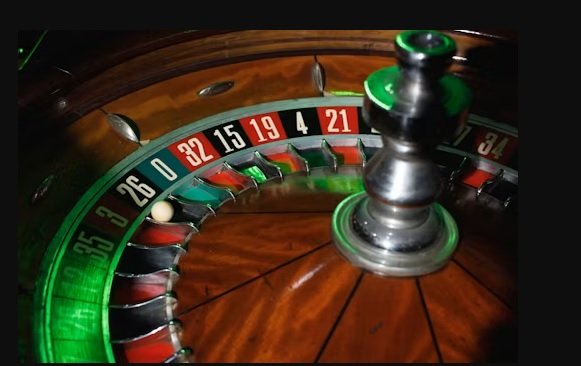
Roulette is almost entirely luck-based. Once the bet is placed, player decisions no longer affect the outcome. Each spin is independent, and no strategy can change the mathematical house edge.
European roulette offers slightly better odds than American roulette due to fewer zeroes, but the game remains chance-driven. Systems like Martingale may seem appealing, but they do not overcome long-term probabilities. Roulette is best enjoyed as entertainment, not strategy.
5. Slot Machines – Entertainment Over Strategy
Slots rely on Random Number Generators (RNGs), making outcomes completely unpredictable. No timing, pattern recognition, or betting system can influence results. The return-to-player (RTP) percentage determines long-term payouts, but individual spins are pure luck.
Modern slots add features like bonus rounds and free spins, enhancing engagement but not control. Players should focus on bankroll management and enjoyment rather than expecting skill-based advantages.
6. Baccarat – Simple Rules, Luck-Driven Results
Baccarat is popular for its simplicity and low house edge on banker bets. Players have minimal decisions to make, which means strategy plays a limited role.
While some betting patterns exist, outcomes remain random. Baccarat appeals to players who prefer straightforward gameplay with predictable rules and quick results—making it more luck-focused than skill-based.
FAQs
Q1: Which gambling game requires the most skill?
Poker is widely considered the most skill-based gambling game.
Q2: Can you really beat the house in blackjack?
Yes, with perfect basic strategy and advanced techniques, the house edge can be minimized.
Q3: Are slots ever skill-based?
No. Slot outcomes are entirely determined by RNGs and rely on luck.
Q4: Is sports betting gambling or skill?
It’s a mix—research and analysis matter, but luck still plays a role.
Conclusion
Understanding skill vs luck in gambling is essential for choosing the right games. Skill-based options like poker, blackjack, and sports betting reward knowledge and discipline over time, while games like roulette and slots prioritize entertainment and chance. Smart players match their expectations—and bankroll—to the type of game they choose.

